A Physician Bound for Cuba
In 1896 Rizal volunteered to serve as a military physician in Cuba, then in the grip of yellow fever and its own war of independence. Permission came, and he sailed from Manila in September. While he was at sea the Katipunan rising, led by Andrés Bonifacio, broke out in Luzon. Rizal had been consulted through an emissary earlier that year and had counselled against an armed revolt he judged premature and unarmed; the revolution nevertheless invoked his name.
Arrest and Fort Santiago
He was arrested en route and shipped back to Manila, arriving in November and confined in Fort Santiago. The prosecution assembled letters, speeches, the founding of La Liga Filipina, and the testimony of witnesses — much of it hearsay — to charge him with rebellion, sedition, and illegal association. He was permitted to choose his defender only from a list of army officers; Lieutenant Luis Taviel de Andrade, brother of a man who had once been Rizal's escort, took the case and defended him ably.
The Court-Martial
The trial was held on 26 December 1896 before a military tribunal. Rizal was not permitted to confront the witnesses against him. He submitted a written supplement to his defence denying any part in the revolution and reaffirming his belief in reform through education and law. The verdict was guilty on all counts; the sentence, death by firing squad. Governor-General Camilo de Polavieja confirmed it on 28 December.
The Last Night
He spent his final hours writing. To his family he left instructions and farewells; to his brother Paciano and to Blumentritt he wrote letters; and he composed the fourteen stanzas the world would call Mi Último Adiós, concealed in an alcohol stove given to his sister. Josephine Bracken and members of his family were admitted to see him. Accounts of a retraction of his Masonic affiliations, produced by the Jesuits after his death, remain disputed by historians to this day.
30 December 1896
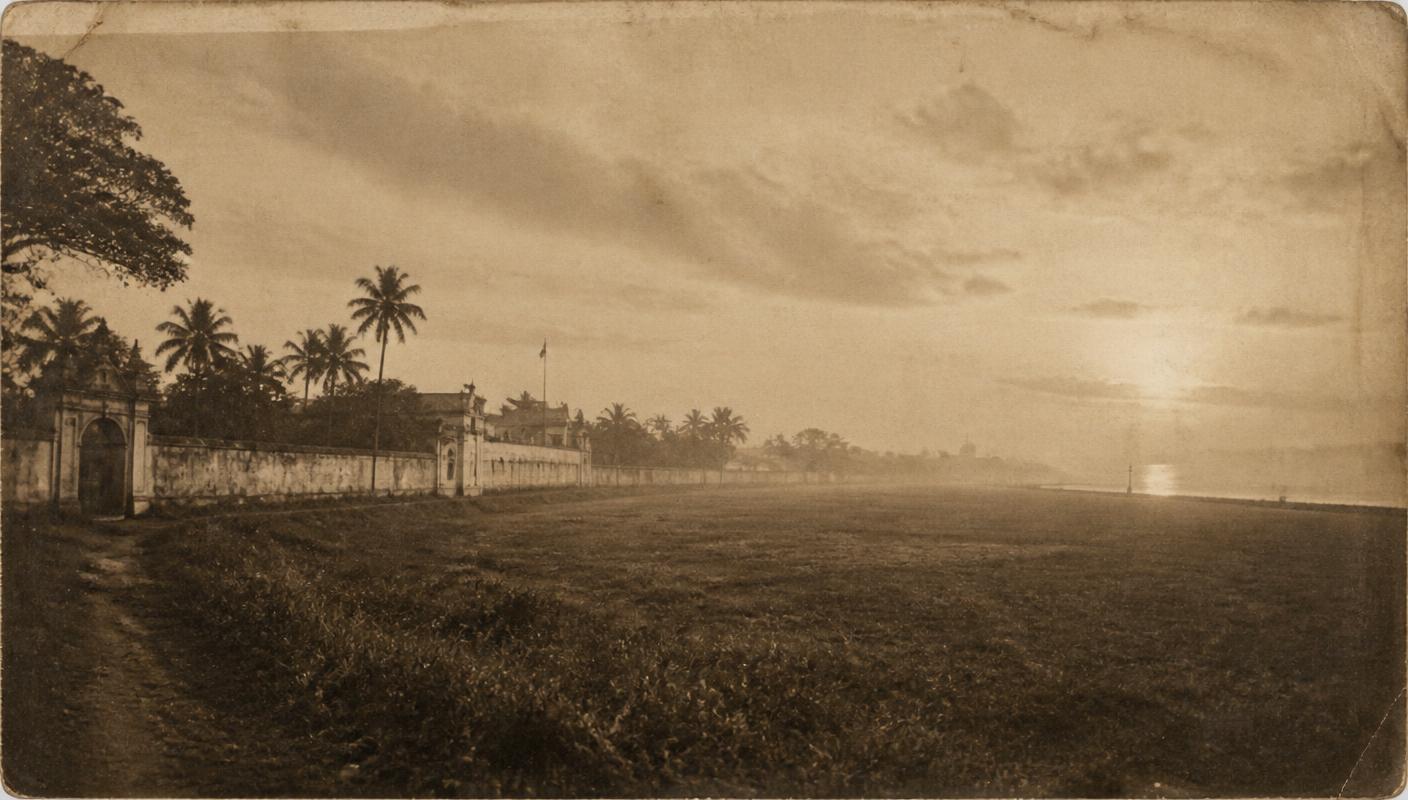
At about seven in the morning he was marched from Fort Santiago to the field of Bagumbayan — the Luneta — before a crowd and a squad of Filipino soldiers backed by Spanish regulars. He asked to face the firing party and was refused; he asked that he not be shot in the head. At the volley he turned as he fell so that he came to rest facing upward, toward the sky. He was thirty-five.
His body was buried without a marker at the old Paco cemetery; his sister Narcisa found the grave by the freshly turned earth and had the initials R.P.J. cut in reverse on a plaque. Within two years, Spanish rule in the Philippines had ended.